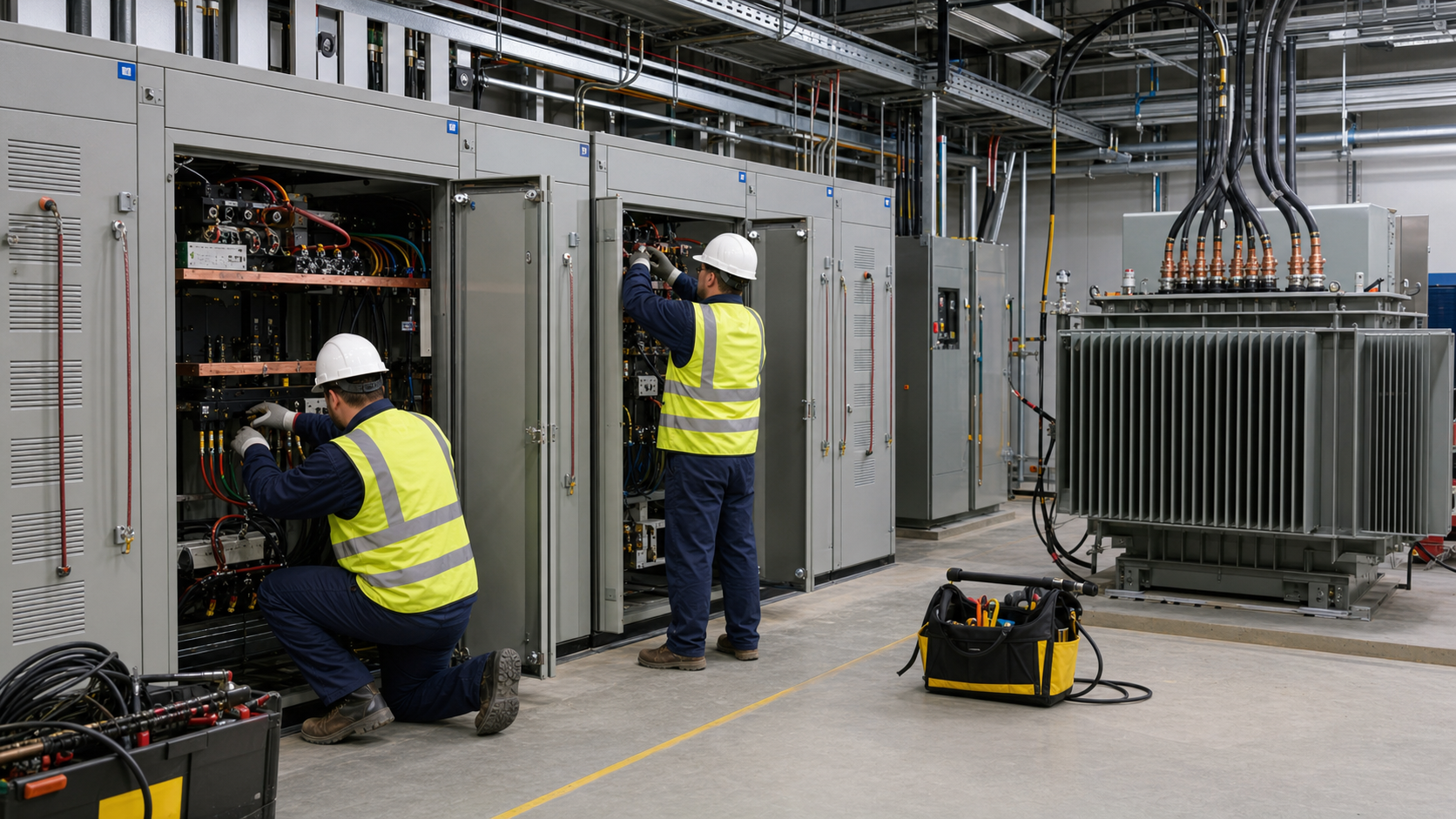
What North Carolina Business Owners Need to Know Before Starting an Electrical Decommissioning Project
Electrical decommissioning isn't just a technical task, it's a strategic business decision. Whether you're relocating, upgrading equipment, consolidating operations, or closing a facility, how you handle electrical removal directly affects your costs, liability exposure, downtime, and potential asset recovery.
For North Carolina business owners and facility managers, understanding the process before work begins can prevent expensive mistakes and turn a necessary project into a controlled, value-driven transition.
This guide outlines what you need to know before starting an electrical decommissioning project.
What Is Electrical Decommissioning?
Electrical decommissioning is the structured process of safely disconnecting, dismantling, removing, and properly disposing or reselling electrical systems and equipment.
It commonly involves:
- Switchgear and panels
- Transformers
- Motor control centers (MCCs)
- Bus ducts and cable trays
- Backup generators
- Industrial wiring systems
Unlike demolition, decommissioning focuses on safety, compliance, asset recovery, and documentation. For North Carolina facilities, projects must align with OSHA requirements, environmental regulations, and local permitting guidelines.
When done correctly, decommissioning protects your company from risk while potentially offsetting project costs through resale or scrap recovery.
When Do Businesses Need Electrical Decommissioning?
Electrical decommissioning is typically required during:
Facility Relocation
If your company is moving operations, existing electrical infrastructure must be safely removed, especially if the lease requires restoring the space.
Equipment Upgrades
Outdated systems are often replaced to improve efficiency, meet updated code requirements, or increase capacity.
Plant Consolidation or Downsizing
Unused systems create liability and take up valuable space. Removing them reduces long-term risk.
Facility Closure
Permanent shutdowns require proper dismantling to prevent future environmental or safety issues.
Insurance or Safety Concerns
Non-compliant or aging systems may need removal to satisfy inspections or reduce hazard exposure.
The 5 Biggest Risks Business Owners Overlook
Many decommissioning projects become expensive because key risks weren't addressed early.
1. Hidden Project Costs
Costs can escalate due to:
- Incomplete scope planning
- Hazardous material handling
- Specialized transport requirements
- Unexpected labor hours
A structured plan helps avoid surprises.
2. Environmental Liability
Older transformers and equipment may contain oils or other regulated materials. Improper disposal can create long-term legal exposure - even after you vacate the building.
Professional documentation protects your company.
3. OSHA and Workplace Safety Violations
Electrical dismantling involves lockout/tagout procedures, heavy equipment removal, and coordination with active systems. Hiring an inexperienced contractor increases injury and liability risk.
4. Extended Operational Downtime
Poor scheduling can interrupt production, delay tenant transitions, and reduce revenue. Downtime planning is critical for active facilities.
5. Lost Asset Recovery Value
Many businesses automatically scrap equipment that still has resale value.
Switchgear, transformers, and industrial panels often retain strong demand in secondary markets, especially when:
- Removed intact
- Properly documented
- Stored correctly
- Marketed to qualified buyers
Without evaluating resale options, you may lose thousands in recoverable value.
How Electrical Decommissioning Impacts Your Bottom Line
Decommissioning affects both expenses and potential recovery.
Direct Costs May Include
- Labor and supervision
- Equipment rental
- Permits
- Transportation
- Waste processing
Potential Financial Offsets
- Resale of usable electrical equipment
- Scrap metal recovery
- Avoided regulatory penalties
- Reduced long-term liability
A Simple ROI Example
If removal costs $80,000 but equipment resale generates $45,000 and scrap recovery adds $10,000, your net project cost drops to $25,000.
Without strategic planning, you might pay the full $80,000 or more.
Evaluating resale opportunities before dismantling is essential. This is where electrical asset valuation becomes critical.
How to Minimize Downtime During Decommissioning
For operating facilities, downtime is often the biggest concern.
Conduct a Pre-Project Site Assessment
A thorough evaluation identifies:
- Critical systems
- Phased shutdown opportunities
- Safety risks
- Compliance requirements
Planning before removal prevents costly interruptions.
Use Phased Removal Strategies
Instead of shutting down the entire facility, removal can often be staged to keep essential operations running.
Schedule Strategically
Off-hours, weekends, or coordinated shutdown windows reduce operational impact.
Coordinate With Internal Teams
Facilities managers, operations leaders, and safety officers must align before work begins.
Ensure Clear Documentation
Proper records protect you during:
- Insurance audits
- Property transfers
- Environmental reviews
Documentation should include removal logs, disposal records, and compliance confirmations.
What to Look for in an Electrical Decommissioning Partner
Choosing the right contractor determines whether your project stays controlled or becomes risky.
Proper Licensing and Insurance
Ensure your contractor carries:
- General liability coverage
- Workers' compensation
- Environmental liability coverage
Industrial Experience
Electrical decommissioning in manufacturing plants, commercial buildings, data centers, and healthcare facilities requires specialized knowledge beyond basic electrical work.
Asset Recovery Capability
A qualified partner should assess resale potential before dismantling. That includes understanding secondary market demand and comparing resale vs. scrap options.
Compliance Expertise
Look for familiarity with:
- OSHA standards
- Environmental disposal regulations
- Local permit requirements
Compliance errors can create significant legal and financial consequences.
Clear Project Documentation
You should receive:
- Asset inventory reports
- Disposal documentation
- Compliance confirmations
- Project completion summaries
Transparency protects your business long after the project ends.
Questions to Ask Before Hiring a Contractor
Before signing any agreement, ask:
- How will you minimize operational downtime?
- What resale opportunities exist for our equipment?
- What documentation will we receive?
- How do you manage environmental compliance?
- Are you insured specifically for industrial electrical removal?
- What similar projects have you completed in North Carolina?
Detailed answers indicate experience. Vague responses signal risk.
Frequently Asked Questions
How long does electrical decommissioning take?
Timelines depend on facility size and system complexity. Smaller commercial projects may take several days, while large industrial facilities may require weeks of phased work.
Do I need permits for electrical decommissioning in North Carolina?
Permit requirements vary by municipality and project scope. A qualified contractor should identify and handle necessary permits before work begins.
Can I sell used electrical equipment instead of scrapping it?
Yes. Many transformers, panels, and switchgear retain secondary market value. Proper removal and documentation significantly improve resale potential.
How much does electrical decommissioning cost?
Costs vary based on labor, accessibility, hazardous materials, and transportation logistics. However, resale and scrap recovery can offset a portion of the expense.
What happens to removed electrical equipment?
Equipment may be resold, liquidated, recycled for scrap, or disposed of according to environmental regulations. The appropriate channel depends on condition and market demand.
Final Thoughts: Decommissioning Is a Strategic Business Move
Electrical decommissioning is more than equipment removal. For North Carolina business owners, it represents an opportunity to:
- Reduce liability
- Control downtime
- Recover asset value
- Avoid regulatory penalties
- Protect long-term operational stability
With proper planning and the right partner, decommissioning becomes a managed transition, not an unexpected financial burden.