
Our Services
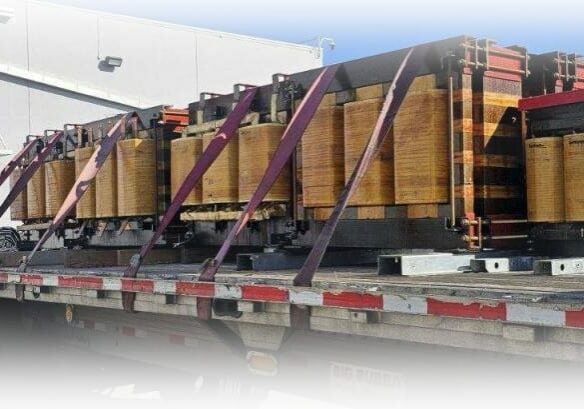
Pharmaceutical Manufacturing Equipment Surplus Asset Recovery
Pharmaceutical manufacturing is complex, and when it’s time to recover your pharmaceutical plant or facility equipment asset investment, you need an experienced pharma plant asset recovery partner for equipment liquidation.
Our strategic liquidation of your surplus assets in decommissioning pharmaceutical plants means a hassle-free experience while maximizing the value extracted from your surplus assets. Let’s look at our approach, designed to address the unique needs of decommissioning a pharma facility.
6 Steps to Disconnecting and Removing Pharmaceutical Plant Equipment

- Learning Best way to move forward
- Physical Inventory of condition and quantity
- Fair Market value offer
- Systematic Disconnection of equipment
- Assets Removed safely
- Location Ready for what’s next
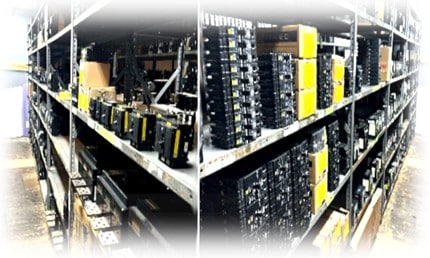
Electrical Storeroom Equipment Liquidation
Circuit breakers, switchgear, motor control units, generators, and power supplies are just some of the electrical equipment items that our Plant Electrical Power Equipment Asset Liquidation team assesses.
We’ll deliver you a fair quote taking into account the current market conditions and the true worth of your electrical assets — thanks to our transparent pricing strategy. This means a custom plan for disposal of your Pharmaceutical facility’s excess power equipment.
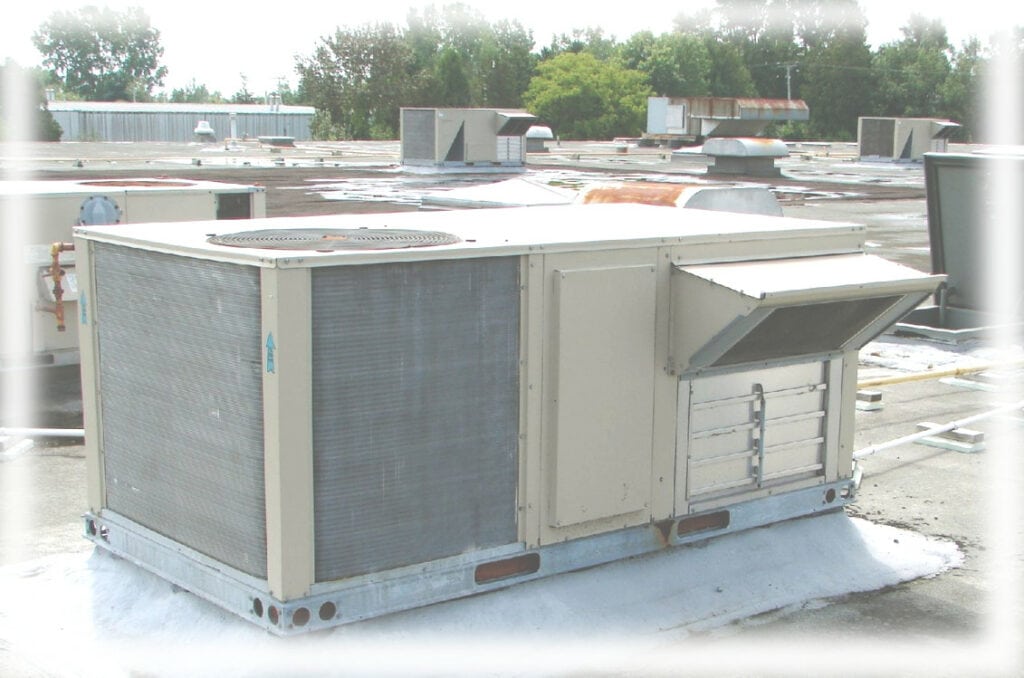
HVAC Equipment Liquidation
We’re also experienced in the liquidation of HVAC mechanical equipment in pharmaceutical manufacturing facilities. When disassembling and removing HVAC equipment, our field workers follow strict safety protocols to guarantee the greatest recovery value with the least amount of disturbance to your pharmaceutical plant’s operations. This category includes common assets including pipes, tubing, ducting, cables, and raw materials.
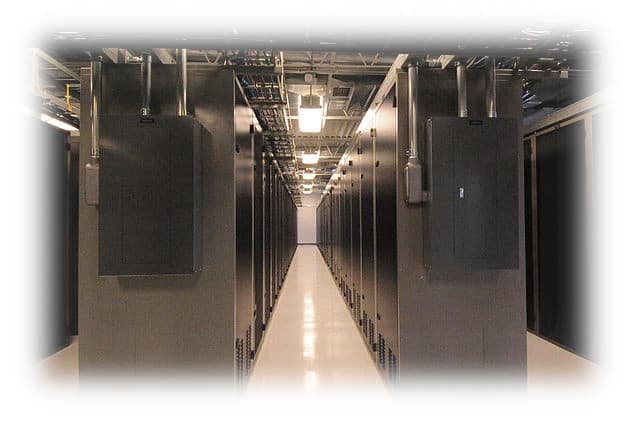
IT Data Center Equipment Removal and Liquidation
Your IT Data Center equipment disconnection and removal requires specific tools and knowledge. We handle these assets with the care they deserve. And we do it safely — from transformers, wiring, and UPS equipment to batteries and server racks. Our goal is a smooth dismantling and disposal of excess IT server farm equipment in pharmaceutical plants.
Safely Removing Pharmaceutical Manufacturing Equipment and Materials
When taking apart and removing equipment from your pharmaceutical factory, safety and accuracy are of the utmost importance. Because of their familiarity working with food and drug manufacturers, our asset recovery specialists can safely disconnect, remove, and extract value from your surplus assets while causing the least amount of downtime and operational disturbance.
FAQ: Pharmaceutical Manufacturing Equipment Decommissioning
-
Q: How can partnering with Brilliant Equipment benefit my plant in terms of cash flow?
A: You get instant benefits in terms of cash flow when you collaborate with Brilliant Equipment. We turn extra equipment into working capital to help you inject cash into your business. This liquidity, which enables efficient resource reallocation, is essential to the smooth operation of your plant.
-
Q: How does asset liquidation help in freeing up warehouse space for my plant?
A: Real estate in power plants is precious, and effective use of space has benefits beyond just making money. We facilitate the opening up of expensive storage space by providing asset liquidation services. Optimization of your facility space allows you to make new investments and make good use of your resources.
-
Q: Can I get an evaluation of my surplus inventory without any obligation?
A: We provide a risk-free assessment of your excess inventory. A wide range of material, data center, HVAC, and electrical assets are covered in our comprehensive evaluation. This assessment lays the groundwork for our relationship by revealing profits you can anticipate.
-
Q: How does Brilliant Equipment ensure a streamlined decommissioning process for my plant’s excess inventory?
A: The surplus inventory at your plant will be decommissioned quickly and smoothly due to our experience. We handle every logistical detail, from disconnecting to removing, so your staff concentrates on everyday tasks without being sidetracked or delayed.
-
Q: Will Brilliant Equipment assist in reducing the administrative burden associated with asset liquidation?
A: We handle all paperwork and administrative duties involved in the liquidation procedure. By taking this proactive strategy, you lower the strain on your people and free up your team to focus on operations instead of administrative work
-
Q: Does Brilliant Equipment explore strategic remarketing opportunities for surplus inventory?
A: We actively look for strategic remarketing possibilities for your excess inventory in our buying and selling network. In order to optimize profits for your plant, this involves contacting possible purchasers and locating secondary markets to find fair market resale value of your assets.
Common Equipment Disposal Needs in Pharmaceutical Plants
| Electrical Power | HVAC Equipment | Data Center Assets |
| Circuit breakers | Air conditioners | Batteries |
| Electrical panels | Chilled water systems | Computer servers |
| Generators | Ductwork | Cooling units |
| Lighting fixtures | Exhaust fans | Data storage devices |
| Motor control units | Heating units | Fire suppression systems |
| Power distribution units | Humidifiers | Network switches |
| Power supplies | Refrigeration units | Server racks |
| Switchgear | Ventilation systems | Uninterruptible power supplies (UPS) |
| Transformers | Water chillers | Wiring racks |
| Capacitors | Evaporative coolers | Network routers |
| Conduit | Heat exchangers | Backup power systems |
| Control panels | Air handlers | Patch panels |
| Fuses | Dehumidifiers | Blade servers |
| Electrical cables | Cooling towers | Data cabinets |
| Voltage regulators | Boilers | Fiber optic cables |
| Surge protectors | Heat pumps | Network attached storage (NAS) |
| Relays | Rooftop units | Network security appliances |
Power Plant Surplus Asset Liquidation
Power Plant Surplus Asset Recovery can be as complex as the operations that power our cities. Brilliant Equipment wants to be your trusted partner for Power Plant Asset Liquidation Services and Excess Equipment Disposal including asset recovery of electrical power equipment, HVAC, Data Centers and more. Our expertise extends to the strategic handling of Power Plant Surplus Assets, offering Asset Recovery for Power Plant Facilities. We’ll help seamlessly liquidate surplus equipment in your plant, delivering a hassle-free experience and maximizing the value extracted from your surplus assets.
Let’s look at our approach, designed to meet the specific needs of power plants when it comes to your disconnecting and removing your power plant excess equipment.
Power Plant Equipment Decommissioning Process
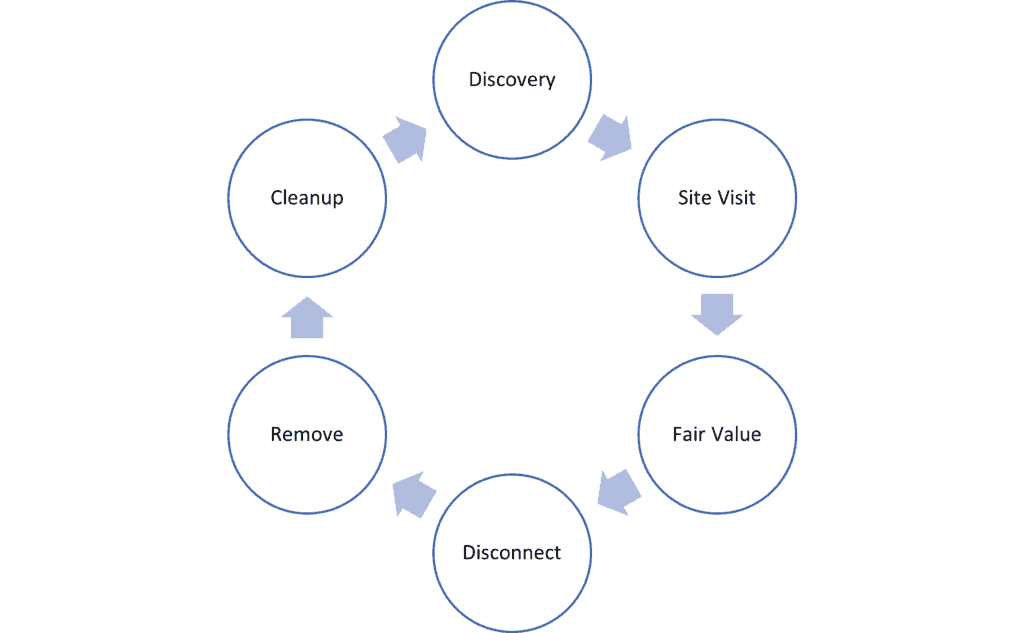
1. Plant Discovery Call
We have a conversation with your team, asking questions about your unique situation and power plant excess equipment and materials. This is our initial engagement to have a site visit and learn the best way to move forward.
2. Plant Site Visit
Our next step involves visiting your power plant for a thorough on-site evaluation, reviewing electrical storerooms, IT Data Centers, HVAC equipment and related materials value. Noting the condition, quantity, and specifications of the assets you’re looking to liquidate.
3. Fair Market Quote
We come back to you with what we learned during the site visit, including a fair value based on the current market. You get an official quoted offer that reflects the value of your surplus equipment and materials.
4. Safely Disconnect Equipment
Safety first – especially in the world of power plants. Our skilled technicians ensure a secure and systematic disconnection of electrical, HVAC and IT data center equipment. We follow industry standards and safety protocols to minimize risks associated with the disconnection and power plant equipment removal process.
5. Remove Equipment and Materials
Our team of riggers, heavy equipment operators and project managers follow best practices to efficiently remove the identified assets, with minimal disruption to your power plant operations.
6. Power Plant Site Cleanup
We understand the importance of leaving your power plant in optimal condition. Wrapping up our process, the Brillian Equipment team performs a thorough site cleanup, leaving your power plant area not free of unwanted assets and ready for your next chapter

How You Recover Value for Power Plant Assets
Fair Market Quote for Power Plant Electrical Storeroom Equipment
Our Plant Electrical Power Equipment Asset Liquidation team for assesses and values a diverse range of electrical equipment. From circuit breakers and switchgear to motor control units, generators, and power supplies, we conduct a thorough evaluation to determine the fair market value of each component.
Our transparent pricing model, designed for Excess Equipment Disposal for Power Plants, ensures that you receive an equitable quote, reflective of current market conditions and the intrinsic value of your electrical assets. Trust us for top-notch Asset Recovery for Power Plant Facilities as we seamlessly strive to Liquidate Surplus Equipment in Power Plants, providing a comprehensive and efficient solution for your surplus assets.
Power Plant HVAC
Equipment Liquidation
Our expertise isn’t limited to electrical components. For the liquidation of HVAC mechanical equipment, Brilliant Equipment field personnel extend safety procedures into dismantling and removing HVAC assets, maximizing the recovery value and minimizing the impact on your power plant’s daily operations. Cables, Ductwork, Piping and Tubing and miscellaneous parts are common assets in this category.
Power Plant IT Data Center Equipment Removal and Liquidation
Navigating the complexities of IT Data Center Equipment liquidation requires a specialized approach. From batteries and server racks to UPS equipment, wires, and transformers, our team is equipped to handle the intricacies of these assets. We ensure the safe removal and efficient liquidation of IT components, optimizing the recovery process.
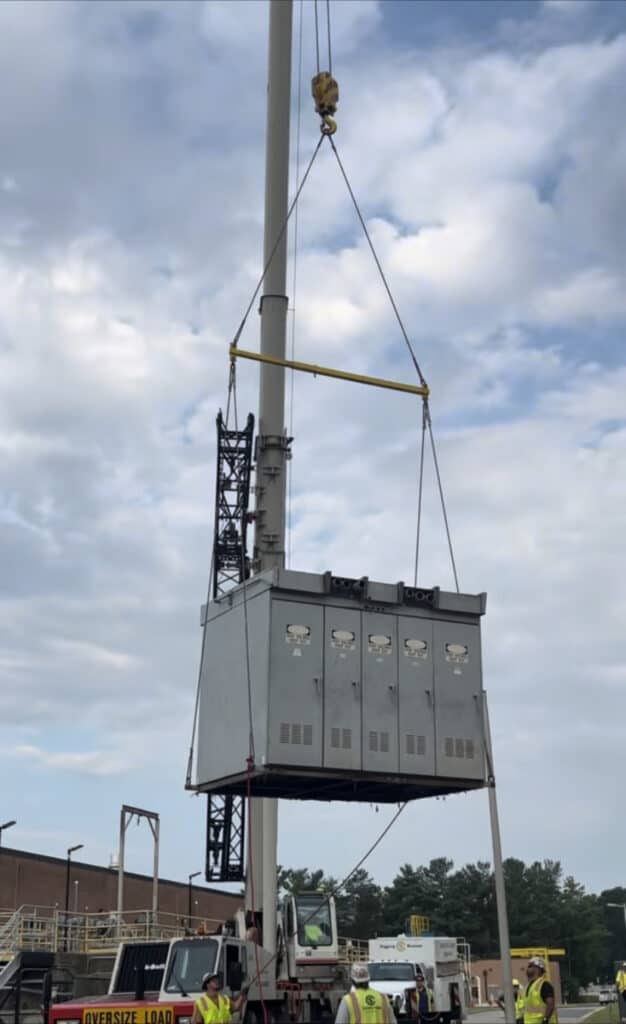
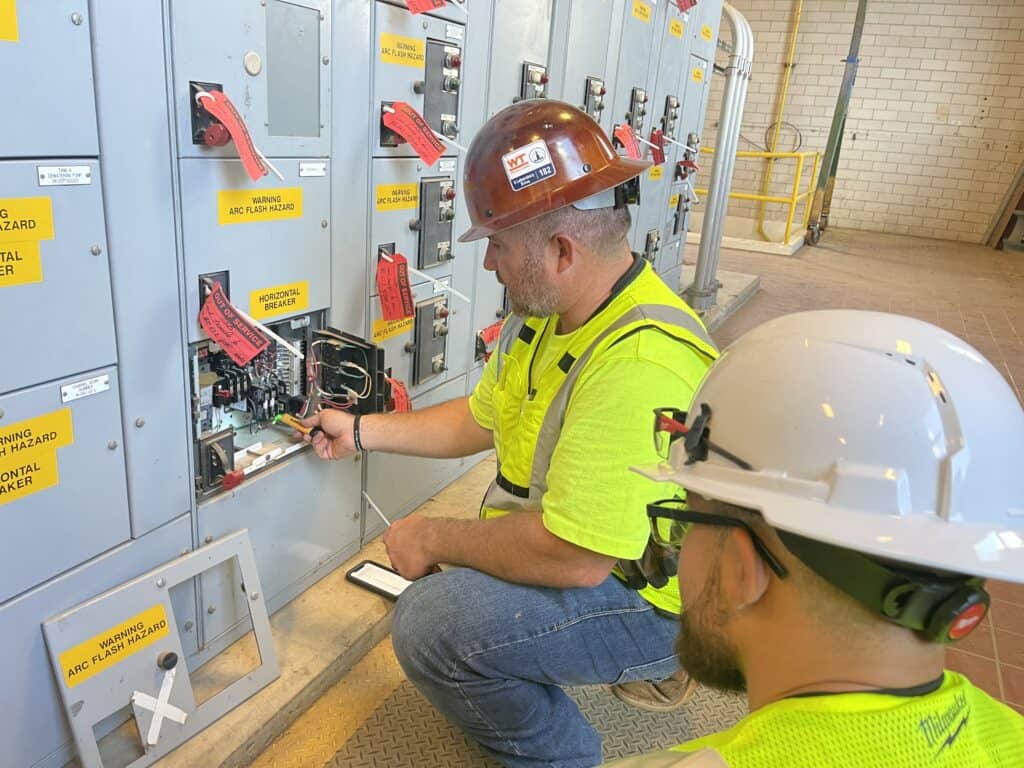
Safely Removing Power Plant Equipment and Materials
Safety and precision are a high priority when it comes to dismantling and removing your power plant equipment. Our technicians are veterans when it comes to power plant standards. Our end goal is to safely disconnect, remove and return value. All while minimizing downtime and disruption to your power plant operations.
How Power Plants Use Asset Recovery Services
Generate Immediate Cash Flow for Your Plant
One of the most immediate and impactful advantages of partnering with Brillian Equipment is the infusion to your cash flow. Maintaining liquidity contributes to the seamless operation of your power facility. By liquidating your surplus equipment, we can convert idle assets into working capital, so you can re-allocate resources across your operation.
Free Up Valuable Warehouse Space
Power plant real estate is a precious commodity, and efficient use of space goes beyond financial benefit to freeing-up valuable warehouse space. When we remove excess equipment, you can optimize your power facility layout and create room for future investments or expansions.
Get a Free Evaluation of Your Surplus Inventory
Curious about the potential value locked within your surplus inventory? We offer a risk-free, thorough evaluation of your excess equipment. You get fair market value on a diverse range of Electrical, HVAC, Data Center and material assets. This allows you to see potential returns and begins our equitable partnership.
Streamlined Decommissioning Process
Our expertise ensures a smooth and efficient decommissioning process for your power plant excess inventory. We handle all logistics, from disconnection to removal, allowing your team to focus on core operations.
Reduced Administrative Burden
We take care of all documentation and administrative tasks associated with the liquidation process. This minimizes the burden on your internal resources, allowing your team to concentrate on essential operational tasks.
Strategic Remarketing Opportunities
Leveraging our extensive network, we explore strategic remarketing opportunities for your surplus inventory. This includes reaching out to potential buyers or identifying secondary markets to maximize the resale value.
Power Generation Facilities that Benefit
| Biomass Power Plants | Coal Power Plants |
| Combined Heat and Power (CHP) Plants | Geothermal Power Plants |
| Hybrid Power Plants | Hydrogen Fuel Cell Plants |
| Hydropower Plants | Natural Gas Power Plants |
| Nuclear Power Plants | Oil Power Plants |
| Solar Power Plants | Tidal Power Plants |
| Wave Power Plants | Wind Power Plants |
Ready for the next step? Contact us for your liquidation of surplus equipment in your power plant. We’ll work on your stress-free process to maximize the value from your surplus assets. Your Power Plant Asset Recovery begins with Brilliant Equipment Services.

Switchgear Decommissioning Services
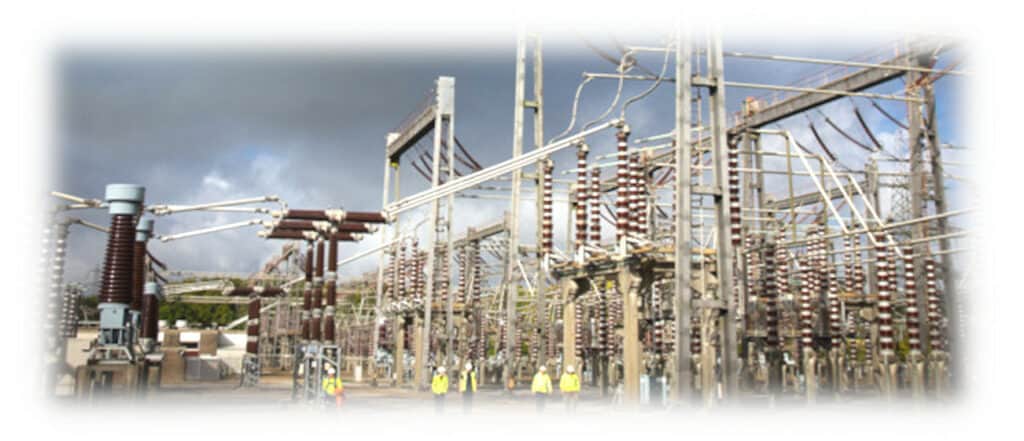
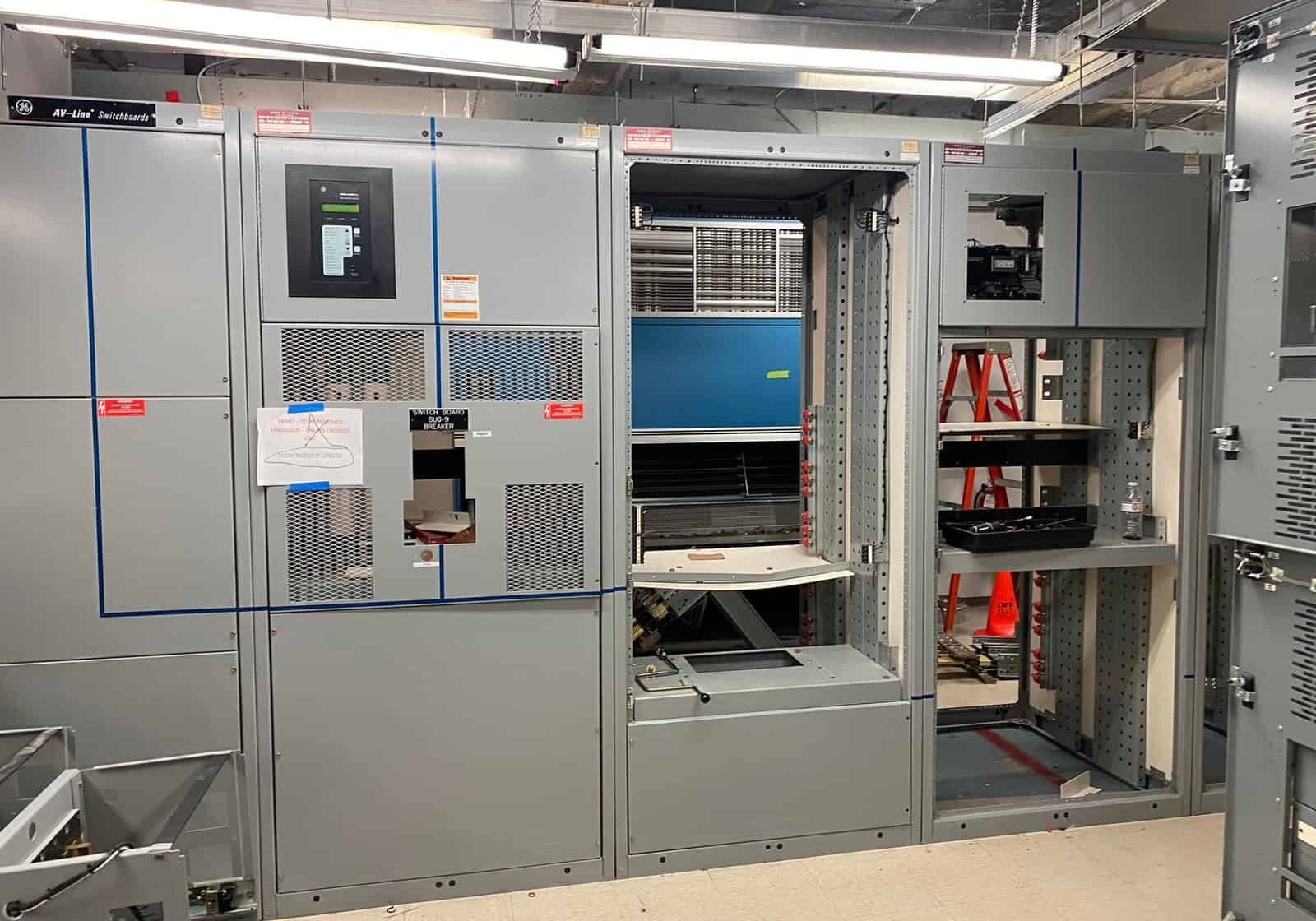
When it comes to your electrical equipment decommissioning, we go beyond simply disconnecting electrical equipment. Our switchgear decommissioning services include rigging, lifting and transportation of heavy electrical gear. We specialize in decommissioning electrical equipment, ensuring safety, electrical industry guidelines and efficiency at every step.
Recover Value on Used Switchgear and Electrical Equipment
Brilliant Equipment decommissioning provides a chance for you to maximize returns during the switchgear decommissioning process. Avoid the inconvenience of surplus equipment by selling secondhand switchgear and other electrical equipment through our services. We help with asset liquidation, converting unwanted equipment into valuable resources that may be reallocated to fulfill your company’s needs.
Whether you want to decommission switchgear, improve, or replace your present electrical equipment, we can assist you with the safe and efficient removal of heavy electrical equipment.
Our services go beyond only decommissioning; we also provide asset recovery and responsible asset recycling, which contributes to a more sustainable and environmentally friendly approach to electrical life expectancy.
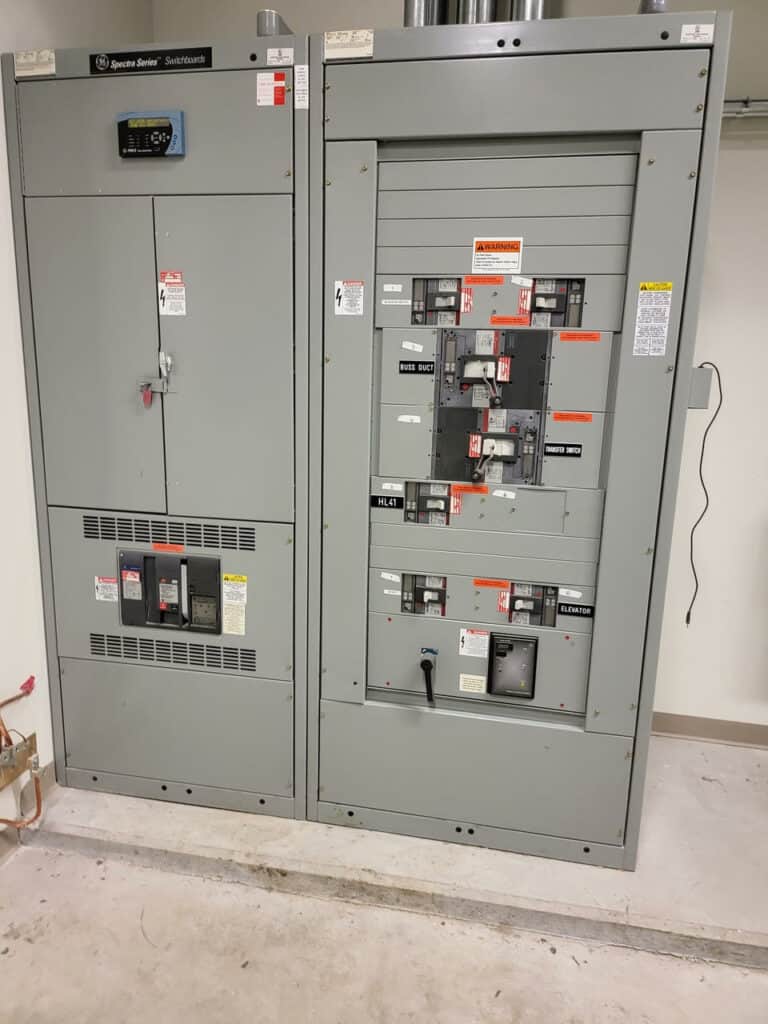
Rigging and Lifting Heavy Electrical Equipment
Our crew is proficient in the art of rigging, providing a smooth transition during the decommissioning process. The entire procedure is practical and ecologically mindful. Our commitment includes responsible asset recycling, which minimizes resources from ending up in landfills or demolition waste. By engaging with our sustainability goals, your company contributes to a cleaner future while lowering overall costs.
Switchgear Rigging, Removal and Equipment Transportation
Below are some of the more common switchgear assets that property managers need to sell, move and replace. You’ll see an emphasis on Safety and care in handling, among our top priorities when helping you dispose of unwanted electrical gear.
| Common Switchgear | Decommissioning Practices |
|---|---|
| Air Circuit Breakers (ACBs) | Isolating power sources, safety during dismantling of Air Circuit Breakers due to potential arc flash hazards. Attention to environmental concerns, like handling of insulation materials and, if needed, the safe disposal of any SF6 gas used in the breaker. |
| Molded Case Circuit Breakers (MCCBs) | Safe disconnection of Molded Case Circuit Breakers power sources, handling of circuit-breaking components, and care for the disposal of materials. Adherence to safety protocols during dismantling to avoid potential exposure to electrical hazards. |
| Vacuum Circuit Breakers (VCBs) | Secure handling of vacuum interrupters, and recognizing any potential environmental impact from insulating materials. Following Vacuum Circuit Breakers safety protocols during dismantling and transportation, especially when dealing with high-voltage components. |
| Gas-insulated Switchgear (GIS) | Be aware of SF6 gas for proper evacuation and disposal. Special care dismantling to prevent releasing of SF6 into the environment. Consideration for weight and size of Gas-insulated Switchgear GIS components during transportation due to bulk and weight. |
| Metal-Enclosed Switchgear | Proper handling of Metal-Enclosed Switchgear components within metal housings, and recognizing weight and size of switchgear during transport. Following safety and environmental guidelines during dismantling, especially with insulating materials. |
| Low Voltage Switchgear | Disconnection of power, secure handling of low-voltage components, and consideration for weight and size of switchgear during transportation. Adherence to Low Voltage Switchgear safety and environmental rules during dismantling to avoid possible exposure to electrical hazards. |
| Medium Voltage Switchgear | Safe disconnection of power, handling of medium-voltage components, and attention to the weight and size of the switchgear during transportation. Adherence to safety and environmental guidelines during dismantling, especially when dealing with insulation materials. |
| High Voltage Switchgear | Disconnection of High Voltage Switchgear power sources, secure handling of high-voltage gear, and consideration for the weight and size of the switchgear during transportation. Adherence to safety and environmental guidelines during dismantling, especially when dealing with insulation materials. |
| Sulfur Hexafluoride (SF6) Circuit Breakers | Attention to the handling of SF6 gas, ensuring proper evacuation and disposal. Special care during dismantling to prevent the release of Sulfur Hexafluoride into the environment. Consideration for the weight and size of SF6 breakers during transportation, as they can be bulky and heavy. |
| Oil Circuit Breakers | Safely terminate power, handling of oil-filled components, and attention to environmental concerns related to the safe disposal of oil. Adherence to Oil Circuit Breakers safety protocols during dismantling to avoid potential exposure to oil and electrical hazards. |
| Hybrid Switchgear | Safe disconnection of power sources, proper handling of hybrid components, and consideration for the weight and size of the switchgear during transportation. Adherence to Hybrid Switchgear safety and environmental guidelines during dismantling, especially when dealing with multiple technologies. |
| Ring Main Unit (RMU) | Proper disconnection of Ring Main Unit power sources, secure handling of RMU components, and consideration for the weight and size of the unit during transportation. Adherence to safety and environmental guidelines during dismantling, especially if insulating materials are around. |
| Load Break Switches | Handling of load-breaking components, and attention to the weight and size of the switches during transportation. Adherence to Load Break Switches safety and environmental guidelines during dismantling to avoid potential exposure to electrical hazards. |
| Disconnect Switches | Proper disconnection of Disconnect Switch power sources, secure handling of disconnect components, and consideration for the weight and size of the switches during transportation. Adherence to safety and environmental guidelines during dismantling, especially when dealing with insulating materials. |
| Surge Arresters | Safe disconnection of Surge Arresters power sources, handling of surge arrester components, and attention to any potential environmental impact from insulating materials. Adherence to safety protocols during dismantling, especially when dealing with high-voltage components. |
| Control Panels | Secure handling of control panel components, and consideration for the weight and size of the panel during transportation. Adherence to Control Panels safety and environmental guidelines during dismantling, especially if electronic components are present. |
| Distribution Boards | Safe disconnection of Distribution Boards power sources, handling of distribution board components, and attention to the weight and size of the board during transportation. Adherence to safety and environmental guidelines during dismantling, especially when dealing with electrical wiring and components. |
| Busbar Systems | Proper disconnection of Busbar Systems power sources, secure handling of busbar components, and consideration for the weight and size of the system during transportation. Adherence to safety and environmental guidelines during dismantling, especially if insulating materials are present. |
| Panelboards | Power termination, handling of panelboard components, and attention to the weight and size of the board during transportation. Adherence to Panelboards safety and environmental guidelines during dismantling, especially when dealing with electrical wiring and components. |
| Switchboards | Secure handling of switchboard components, and consideration for the weight and size of the board during transportation. Adherence to Switchboards safety and environmental guidelines during dismantling, especially if insulating materials are present. |
When it comes to navigating Electrical End-of-Life Processes, Brilliant Equipment is your partner. From disconnecting electrical equipment and rigging to lifting and the transportation of heavy electrical gear. We specialize in the precise execution of decommissioning electrical equipment, ensuring safety and efficiency at every step.
We’re here to help, give us a Call (336) 895-1371
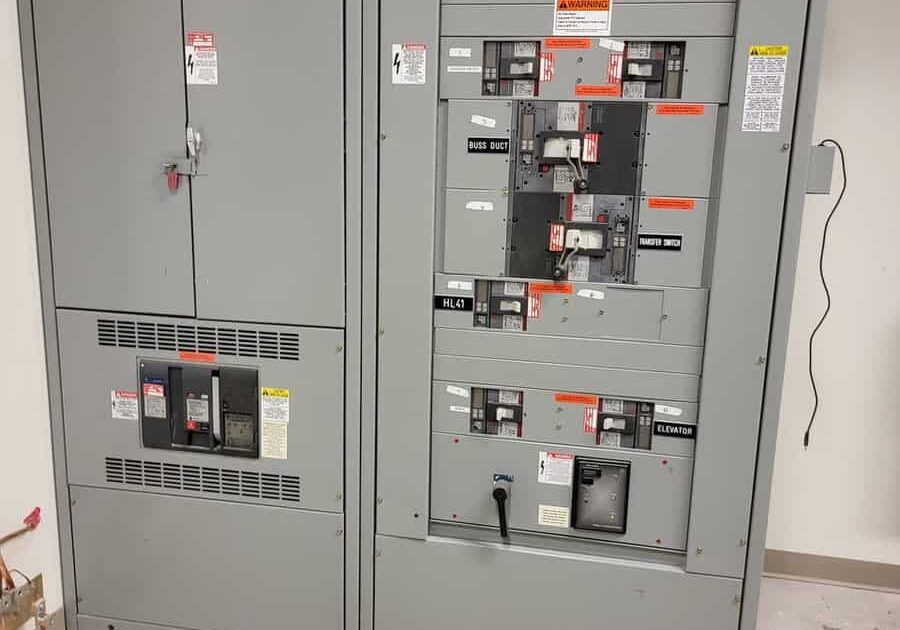
Make money from non-returnable equipment
If you need to dispose of non-returnable equipment, we can provide the perfect solution. We’re able to buy all kinds of power distribution jobs, customer returns and change orders. Simply send us an inventory list to receive a great offer for your non-returnable equipment.
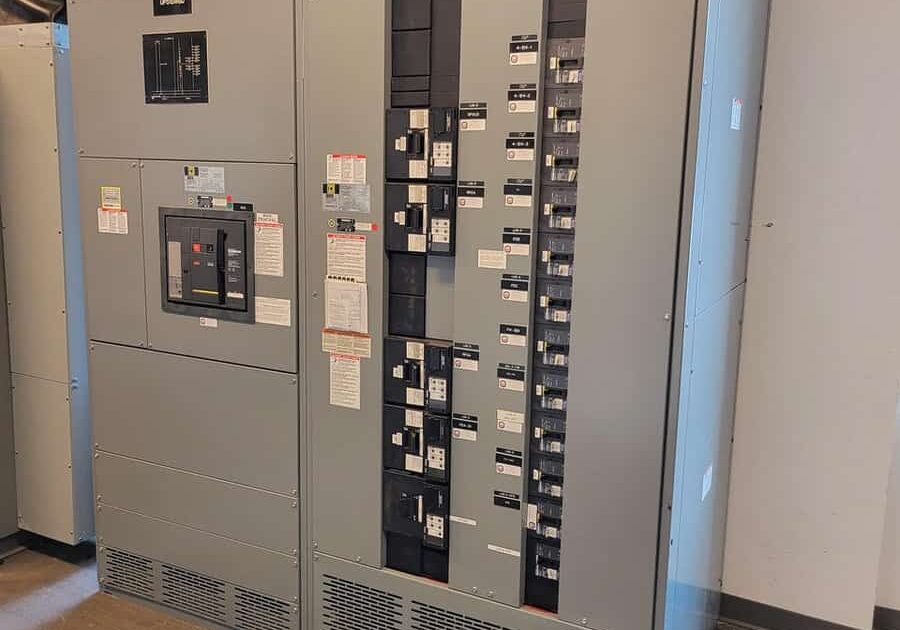
Disconnection, rigging and tenant abandoned equipment
Do you need disconnection and rigging services for decommissioned chillers? If so, talk to us today. Our Brilliant technicians make it so much easier for you to turn your old equipment into cash you can invest back into your business. Our Brilliant turnkey decommissioning services allow you to avoid the stress you might associate with tenant abandoned equipment so you can return your space back to a leasable condition with a minimum of fuss.
Data Center Decommissioning
Keeping pace with technology frequently means decommissioning used or obsolete IT data center equipment. Your job is to efficiently shut down data centers while maximizing the value of old equipment. Our IT Data Center Decommissioning Services are designed to solve these issues, offering seamless end-to-end support for a successful data center shutdown and disposal of undesired IT equipment.
Support for IT Data Center Asset Recovery
Data Center Equipment Assessment: Our data center decommissioning team thoroughly evaluates your used data center assets, identifying suitable equipment for decommissioning and optimizing resource recovery.
Strategic Planning: Working together with industrial property managers, we develop a strategy to avoid downtime efficient decommissioning.
IT Equipment Removal: We remove and disconnect any specified equipment while following industry best practices for decommissioning data centers, buying and selling used IT equipment.
Safe Disposal: We emphasize ecologically responsible procedures by using sustainable disposal techniques, reusing materials, and limiting environmental impact.
Planning and Execution for Selling Your IT Equipment and Assets
Minimizing Downtime: Having a set plan reduces operational disruptions during the decommissioning process, with the objective of business continuity.
Compliance Assurance: Our approach is intended to comply with all applicable rules, giving you confidence in our compliance.
Asset Documentation: We provide full documentation of decommissioned assets, allowing for compliance audits and an efficient asset tracking system.
Environmentally Responsible IT Asset Disposition (ITAD)
Recycling Initiatives: Prioritizing environmentally responsible IT asset disposal, we coordinate with certified recycling facilities to minimize ecological impact of the disposal process.
Compliance with Regulations: Following specific local and international regulations, our disposal process meets demanding environmental standards.
Investment Recovery from Your Retired Data Center Equipment
Asset Valuation: Using our experience, we apply market values of used data center equipment, guaranteeing industrial property managers get a fair return on their investment.
Transparency is key: Our method, as we keep customers informed at every stage, from first evaluation to ultimate recovery.
Market Insights: Using our industry experience, we use market trends and customize asset recovery methods because we understand your situation can be unique.
Transforming Decommissioned Equipment into Resources
Refurbishment: Whenever possible, equipment is refurbished to extend its life and provide cost-effective options to future users.
Resale Opportunities: By using our network of pre-qualified purchasers, we accelerate the process of finding new owners for decommissioned assets, continuing the asset recovery cycle.
Sustainable Practices: Our commitment to sustainability goes beyond disposal, with a focus on converting obsolete data center equipment into reusable materials that contribute to a circular economy.
We make transitioning your decommissioned equipment a breeze
IT Equipment Recycling and Disposal
Circular Economy Strategy: We take a “circular economy” approach, reusing and recycling components to help create a sustainable IT environment.
Join us in exploring options to donate equipment to educational institutions or community goodwill that reduces electronic waste.
Choosing our IT Data Center Decommissioning Services ensures that industrial property managers receive a careful, sustainable, and value-driven approach to the decommissioning process. Contact us today to begin a smooth road toward effective data center decommissioning and selling your used or obsolete IT equipment. Contact Brilliant Equipment Services to learn more: Call 336.895.1371.
We Buy IT Data Center and Electrical Equipment Including…
- Automatic Voltage Regulators (AVR)
- Backup and Recovery Appliances
- Backup Generators
- Backup Systems
- Biometric access, Surveillance
- Busbars
- Circuit Breakers
- Cooling Systems (HVAC, CRAC units)
- Data Center Security Systems
- Electrical Conduits and Raceways
- Electrical Panels and Distribution Boards
- Emergency Lighting Systems
- Fiber Optic Cables
- Firewalls
- Grounding Systems
- HVAC
- Isolation Transformers
- KVM Switches (Keyboard, Video, Mouse)
- Load Balancers
- Monitoring and Management Software
- NAS (Network Attached Storage)
- Networking Switches
- In-row Cooling Units with Electrical Components
- KVM Switches (Keyboard, Video, Mouse)
- Load Balancers
- Monitoring and Management Software
- NAS (Network Attached Storage)
- Networking Switches
- Patch Panels
- Power Cords and Cables
- Power Distribution Units (PDUs)
- Power Monitoring Systems
- Power Strips
- Power Transformers
- Rack-mounted Power Strips
- Routers
- SAN (Storage Area Network)
- Servers (Rack-mounted, Blade servers)
- Storage Arrays
- Surge Protectors
- Tape Libraries
- Transfer Switches
- Uninterruptible Power Supply (UPS)
- Virtualization Hosts
Brilliant provides Hassle free transactions on new surplus, change order, used & decommissioned equipment
What we buy
We serve a range of valued clients, and these include property managers, distributors, electrical contractors, mechanical contractors and demolition contractors, to name but a few. Get in touch today if you want to get a great price for your:







What We Offer

Electrical Contractors
We offer man power in a wild labor market, Brilliant technicians provide professional equipment removal while allowing your electricians to focus on what they do best. Saving on labor is great but a Brilliant offer for your equipment is even better. Sell us your surplus & used equipment today!

Demolition Contractors
We offer man power in a wild labor market, Brilliant technicians provide professional equipment removal while allowing your crews to focus on what they do best. Saving on labor is great but a Brilliant offer for your equipment is even better. Sell us your surplus & used equipment today!

Mechanical Contractors
We offer disconnecting and rigging services for decommissioned chillers. Brilliant technicians provide professional equipment removal while allowing your skilled labor to focus on what they do best. Saving on labor is great but a Brilliant offer for your equipment is even better. Sell us your surplus & used equipment today!
Property Managers
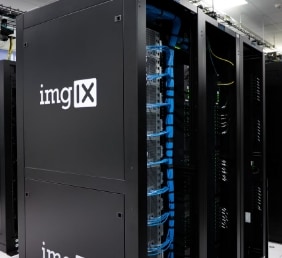
Brilliant turnkey decommissioning services help alleviate the stress that comes with tenant abandoned equipment. When you need your space returned to leasable condition, Brilliant is the best choice.
Data Centers
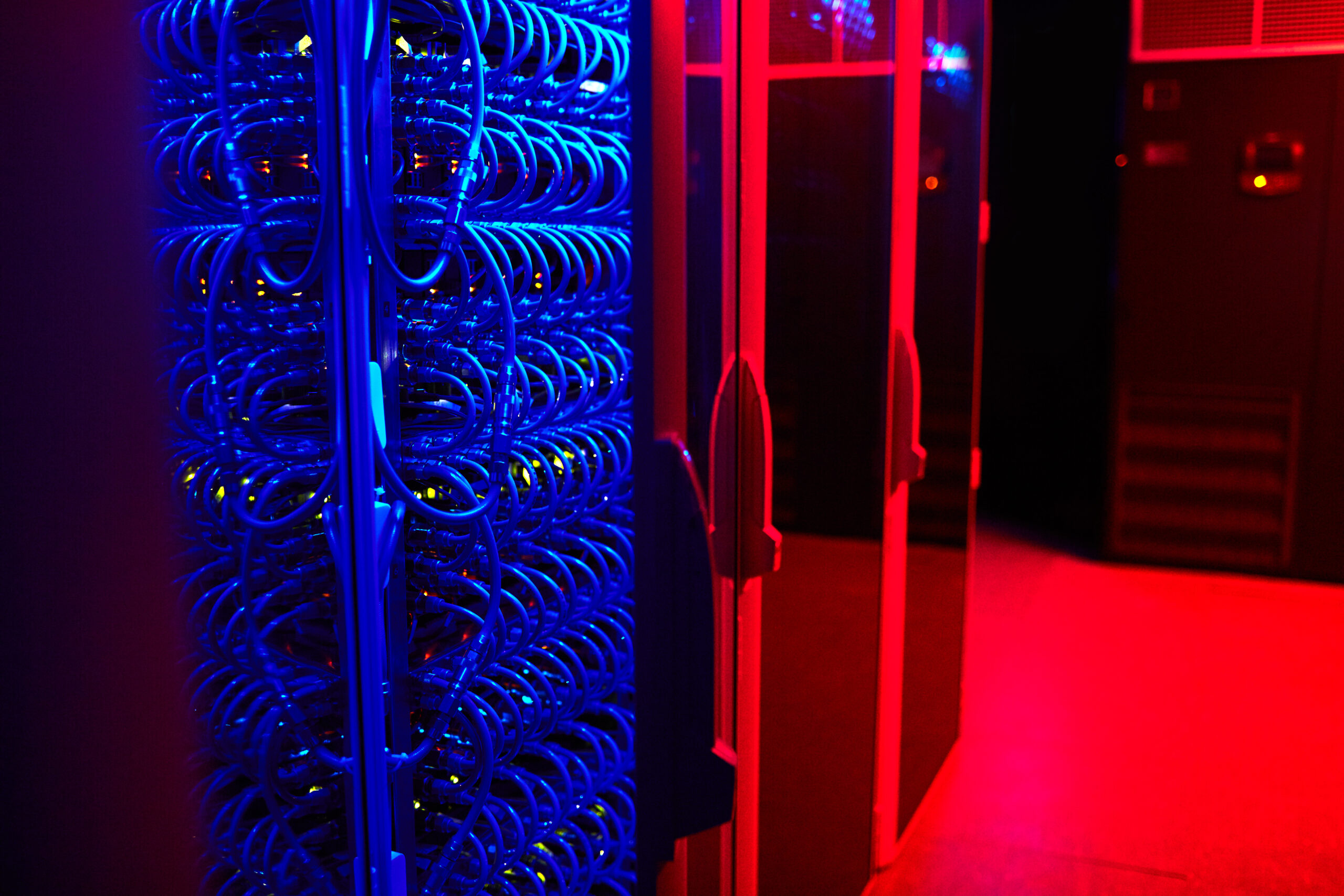
When decommissioning a data center, colocation, enterprise, cloud infrastructure, server farm, or cloud provider there are many things to take into account. Brilliant Equipment Services is a data center decommissioning one-stop shop. Coupled with certified partners we can provide complete decommissioning services.
Electrical Distributors
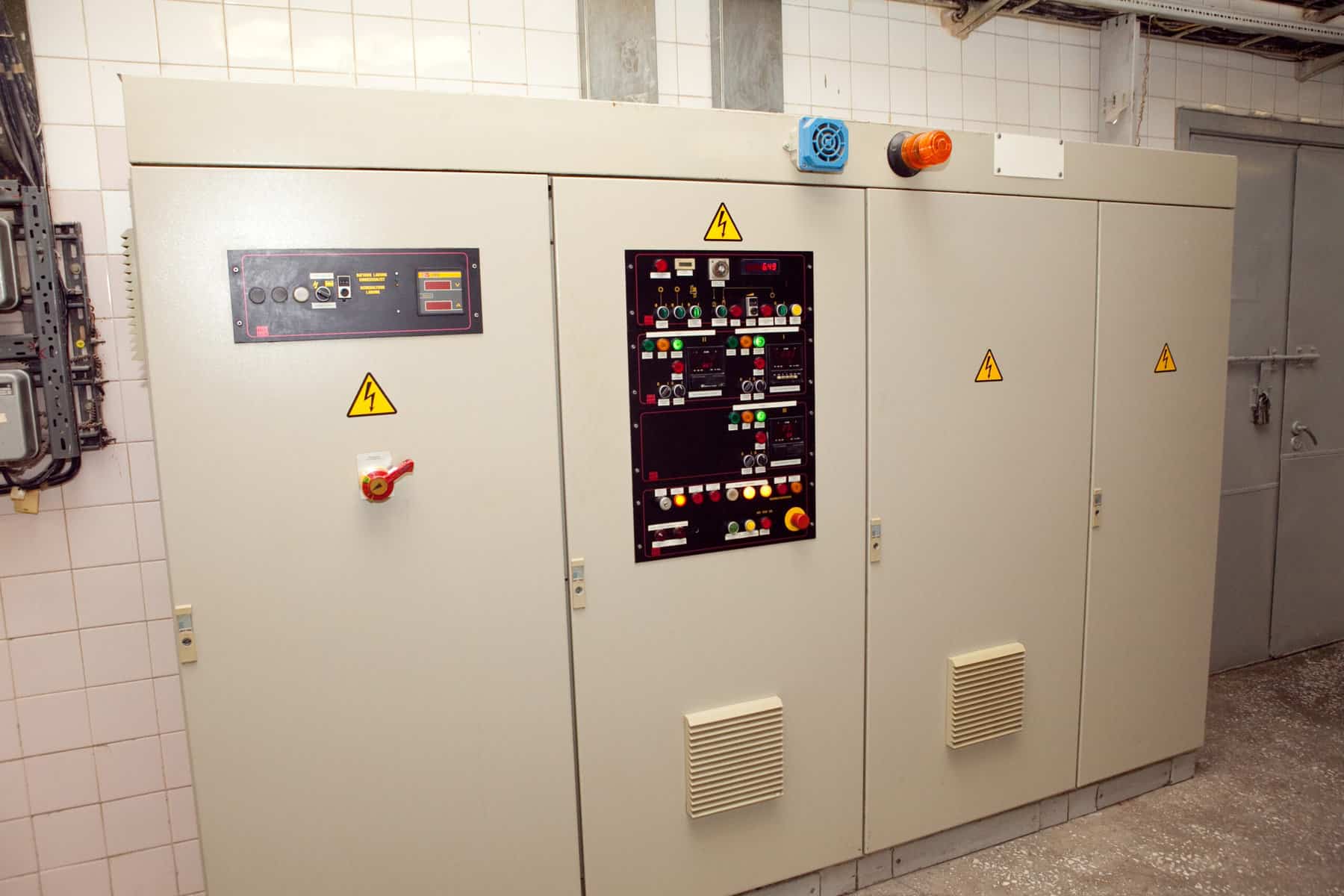
Who buys new equipment the manufacturer says is non-returnable? Brilliant buys all types of power distribution products that are from canceled jobs, change orders or customer returns. Send us your inventory list and receive an offer quickly. Brilliant pay the freight!